प्रकाशित
Classic Portuguese Egg Tart Recipe
I first fell in love with egg tarts during a visit to a small bakery in San Francisco’s Chinatown. The case was filled with perfectly golden pastries, and I couldn’t resist trying a few. One bite in, I was hooked—the crisp, flaky shell paired with a silky, rich custard was unforgettable. After many trials and plenty of tweaking, I finally developed a version at home that delivers that same bakery-level quality every time.
Ethan Wolfe
लेखक
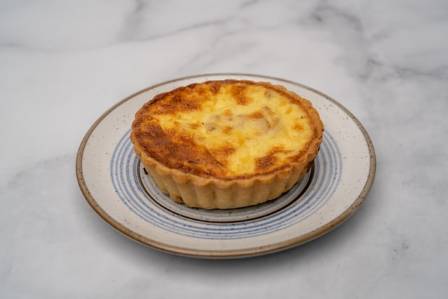
I first fell in love with egg tarts during a visit to a small bakery in San Francisco’s Chinatown. The case was filled with perfectly golden pastries, and I couldn’t resist trying a few. One bite in, I was hooked—the crisp, flaky shell paired with a silky, rich custard was unforgettable. After many trials and plenty of tweaking, I finally developed a version at home that delivers that same bakery-level quality every time.
Why This Egg Tart Recipe Works
These pastries strike a great balance between elegance and simplicity. The contrast of buttery layers and smooth custard is incredibly satisfying. Even though they look refined, the process is quite approachable once you understand the basics. They’re lightly sweet, making them suitable for breakfast, tea time, or dessert. The custard carries a gentle vanilla note that enhances the eggs without overpowering them. You can serve them warm or at room temperature, and making them yourself lets you control both sweetness and ingredient quality. Plus, there’s a real sense of accomplishment in pulling a tray of golden tarts out of your own oven.
What Exactly Are Egg Tarts?
Egg tarts are small pastries made with a crisp shell and a creamy egg-based filling. They’re popular in both Portuguese and Chinese cuisines, each with its own twist. Portuguese versions (pastéis de nata) often use puff pastry and feature a caramelized surface, while Chinese-style tarts tend to have a more delicate, cookie-like crust and a lighter-colored filling. The custard is typically made with eggs, dairy, and sugar, resulting in a texture similar to baked custard desserts but in a handheld form. Originating in places like Macau where culinary traditions blended, they’ve since gained worldwide popularity. The ideal tart has a smooth, bubble-free filling and a crust that flakes apart with each bite.
Mistakes to Watch Out For
A few common errors can affect your results. Overmixing the custard introduces air, leading to bubbles during baking—mix gently and strain it. Baking at too low a temperature can leave the custard pale and undercooked, so a hot oven is key. Overfilling the shells may cause spills, so leave some room for expansion. Skipping proper preparation of the pastry can lead to soggy bottoms. Opening the oven door while baking can disrupt the temperature, causing cracks or collapse. Also, removing the tarts too soon can result in broken shells or unset filling.
How to Tell They’re Ready
Perfect egg tarts have slightly firm edges and a gently jiggly center. The custard continues to set as it cools, so don’t wait until it’s fully firm in the oven. Look for golden spots on top—this indicates proper caramelization. The crust should be deeply golden and crisp. A toothpick inserted near the edge should come out mostly clean. Baking usually takes about 15–20 minutes at high heat, but keep a close eye near the end to avoid overcooking.
Serving Suggestions
These pastries pair beautifully with drinks. Black tea is a classic choice, balancing the richness of the custard. Coffee, especially strong or espresso-based, works well too. Lighter teas like jasmine or oolong complement the flavors without overpowering them. They’re great on a brunch table alongside fruit, yogurt, or other baked goods. For dessert, try serving them with a small glass of dessert wine. Fresh berries add a refreshing contrast and a pop of color. Of course, they’re just as enjoyable on their own with a simple cup of tea.
Storage Advice
Egg tarts taste best fresh, but you can store leftovers. Once cooled, keep them in an airtight container in the fridge for up to three days. To restore some crispness, reheat in a 350°F oven for 8–10 minutes. Avoid microwaving, as it softens the pastry. You can also freeze baked tarts for up to a month—reheat directly from frozen. For best quality, try to enjoy them within a day or two. You can prepare and freeze the pastry shells separately, then fill and bake fresh when needed.
Nutrition (Approximate, per tart)
Calories: 180
Fat: 10g
Carbohydrates: 18g
Sugar: 8g
Protein: 4g
Recipe Summary
Prep time: 30 minutes
Bake time: 20 minutes
Total time: 50 minutes
Difficulty: Moderate
Yield: 12 tarts
Ingredients
Pastry:
1 sheet puff pastry, thawed
Flour for dusting
Custard:
3 egg yolks
1 whole egg
1/3 cup sugar
1 cup milk
1/2 cup heavy cream
1 tsp vanilla extract
Pinch of salt
Instructions
Preheat the oven
Set to 425°F and grease a 12-cup muffin tin.
Prepare the pastry
Roll out the puff pastry lightly and cut into 12 circles. Press each into the muffin cups, forming small shells. Chill while preparing the filling.
Mix the custard base
Whisk egg yolks, whole egg, and sugar until just combined.
Heat the dairy
Warm milk and cream until steaming but not boiling.
Temper the eggs
Slowly add part of the hot liquid into the egg mixture while whisking, then combine everything back in the saucepan.
Finish the custard
Stir in vanilla and salt. Strain the mixture and remove any foam for a smooth texture.
Fill the shells
Pour custard into each shell, filling about three-quarters full.
Bake
Bake for 18–20 minutes until the tops develop golden spots and the centers slightly wobble.
Cool and remove
Let cool for 5 minutes, then gently remove and transfer to a rack.
आपके लिए और खबरें
Ten Essential Facts About the Bald Eagle
As a Guinness World Record holder and a symbol of national pride, the Bald Eagle is arguably the most famous bird in North America. These formidable predators are commonly found near large bodies of water, where they construct massive nests and dominate their ecosystems. While their image is synonymous with American identity, these raptors possess several unique and surprising characteristics that go beyond their patriotic reputation.

Unraveling the Charm: The Endearing Allure of Dogs and Cats
If your heart skips a beat at the sight of an exuberant puppy wagging its tail or a drowsy kitten stretching in a yawn, you're not alone. Humans have shared an enduring fascination with the irresistible cuteness of their furry companions for centuries. But what lies beneath this universal adoration? Why do we perceive cats as cute, and what is it about dogs that tugs at our heartstrings? Let's delve into the enchanting world of pet cuteness to unravel the mysteries behind our affection for these charming creatures.
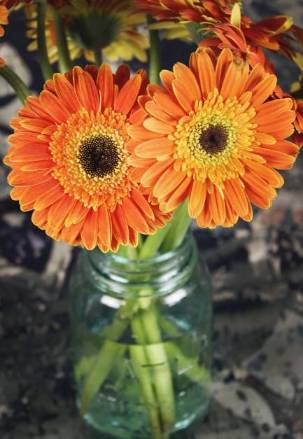
Discover the Diversity: 6 Varieties of Daisies to Illuminate Your Garden
Daisies, an integral part of the vast Asteraceae family, comprise an astounding 10 percent of the world's flowering plants. While the Common Daisy and Gerbera Daisy often steal the spotlight, it's fascinating to note that there are over 20,000 distinct "daisy" species within this extensive plant family. The Asteraceae family boasts not only daisies but also includes members like sunflowers, chrysanthemums, and even lettuce.
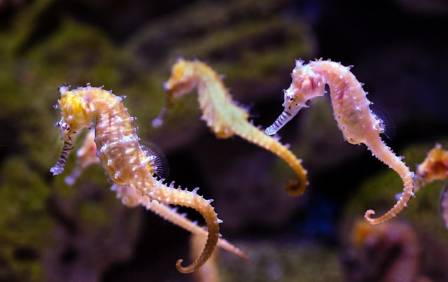
Intriguing Seahorse Insights for Children
Despite their unusual appearance, these creatures are classified as fish.

Simple Windmill Drawing: A Beginner's Guide to Illustrating Classic Structures
For hundreds of years, the distinctive silhouette of the windmill has captivated the imagination of artists. These iconic buildings are still a common sight in countries like Denmark, where they serve as a testament to both historical charm and engineering ingenuity. This lesson focuses on simplifying the complex appearance of a windmill into manageable shapes, allowing students to recreate the massive fan structure using basic geometric lines.
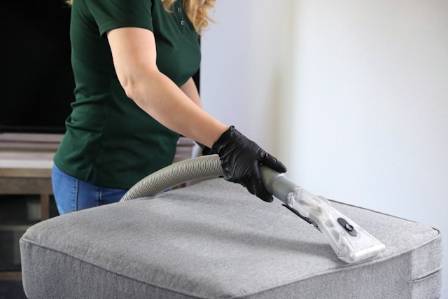
The 5 Best Lightweight Vacuums - Summer 2024
Thanks to advancements in design and materials, vacuum cleaners have become increasingly lightweight.