प्रकाशित
Famous Animal Paintings You Need to Know
Animal-themed art holds a vital place in the history of creative expression. There’s even a specific artistic category called equine portraiture, dedicated to depicting horse likenesses. Animals have inhabited our planet far longer than humans, so it’s hardly surprising that the animal kingdom has captivated artists since the dawn of civilization. The earliest cave paintings in southern France and Spain portrayed hunting scenarios. The significance of predators and large game animals hunted for sustenance remains a topic of ongoing scholarly debate. Charcoal sketches of horses, bison (such as those in Altamira), reindeer (from La Pasiega), rhinos and lions (in Chauvet), and even mammoths (at Rouffignac) may have been part of shamanic rituals and similar spiritual practices. Some drawings symbolized fertility or successful hunts, while others were intended to invoke ancient deities from the spirit realm. This creative logic persisted in tribal and folk art across the globe. Since human survival depended on hunting, animal imagery was a staple in every primitive society.
Maria R
लेखक
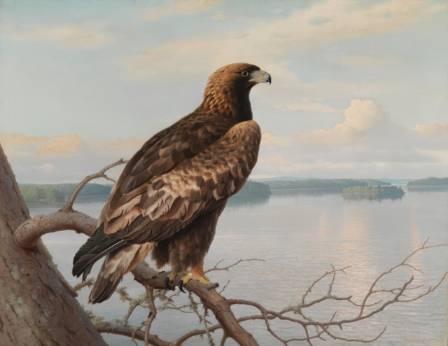
Animal-themed art holds a vital place in the history of creative expression. There’s even a specific artistic category called equine portraiture, dedicated to depicting horse likenesses. Animals have inhabited our planet far longer than humans, so it’s hardly surprising that the animal kingdom has captivated artists since the dawn of civilization. The earliest cave paintings in southern France and Spain portrayed hunting scenarios. The significance of predators and large game animals hunted for sustenance remains a topic of ongoing scholarly debate. Charcoal sketches of horses, bison (such as those in Altamira), reindeer (from La Pasiega), rhinos and lions (in Chauvet), and even mammoths (at Rouffignac) may have been part of shamanic rituals and similar spiritual practices. Some drawings symbolized fertility or successful hunts, while others were intended to invoke ancient deities from the spirit realm. This creative logic persisted in tribal and folk art across the globe. Since human survival depended on hunting, animal imagery was a staple in every primitive society.
Animal Art in Ancient Civilizations
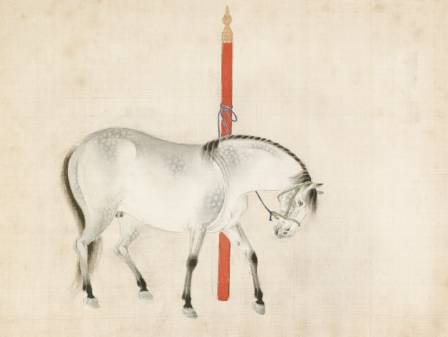
In numerous early civilizations—including Ancient Egypt, India, and China—the practice of linking animals to polytheistic beliefs endured. Archaeological digs have uncovered countless depictions of various creatures, both domesticated and wild. As they were one of the primary sources of food, their presence in daily life was unavoidable—but many were also considered sacred and thus revered. Egyptian tombs feature renowned representations of companion animals, including dogs and cats. Cats were even associated with the goddesses Mafdet and Bast, kept as pets, and sometimes mummified after death. In China, numerous real animals (dogs, snakes, monkeys, pigs, spiders, etc.) and mythical beasts (phoenixes, dragons, unicorns) held great cultural importance and were frequently depicted in all forms of fine art. In Hinduism, which centers on reincarnation, animals were regarded as equally significant as humans. Similar to Egyptian traditions, many divine figures in Indian culture are portrayed with human bodies and animal heads—for instance, Ganesha, who has an elephant’s head. In early Hebrew and Arabic cultures, which were inherently animistic, animals gradually evolved from literal representations to symbolic figures over time, eventually becoming the iconic images seen in modern monotheistic religions: Judaism, Christianity, and Islam. Classical Greek and Roman cultures established the concept of a natural hierarchy organized by complexity and perfection, with humans firmly at the top.
Animal Art in Monotheistic Religions
Monotheism introduced the belief in the dominance of a human-like god over the animal kingdom—a concept that is key to understanding the role of animals in art, which was largely shaped by Classical Greek and modern Judeo-Christian traditions. The tradition of animal symbolism played a prominent role in Christianity and related artistic practices, from early Christian catacomb paintings to medieval manuscripts, Gothic and Romanesque relief sculptures, Renaissance decorative arts, tapestries, miniatures, and paintings. Medieval art even had a specialized form dedicated to animals: the bestiary (also known as bestiarum vocabulum), an illustrated compendium describing various creatures—both real and mythical—and their symbolic meanings in line with Christian doctrine.
Animal Paintings in the Modern Era
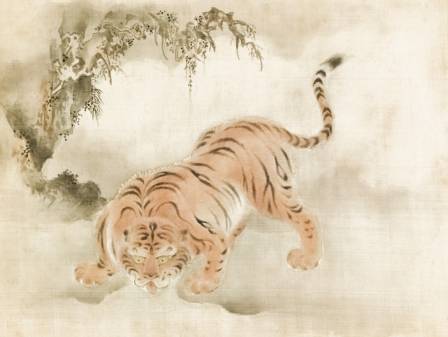
Starting from the 17th century, artists began depicting hunting scenes or domestic life, where human figures were accompanied by animals. Popular themes included the struggle between humans and beasts, used as a metaphor for untamable forces or human instincts. In the 18th century, the study of the natural world flourished, and fascination with the beauty of nature and the complexity of the animal kingdom was reflected in art. In 19th-century Victorian salons, animals were portrayed as an integral part of aristocratic daily life. Modern art of the 20th and 21st centuries merged all previous ways of representing the animal world—retaining both their symbolic and descriptive values while treating animals as equally important subjects in their own right.
Many contemporary artists draw heavy inspiration from ancient or primitive cultures in their intricate explorations of the animal form. Today, there is a particularly meaningful trend in art: animal rights advocacy. This movement encompasses all activist efforts aimed at ending animal exploitation in all its forms—including within the art world itself.
आपके लिए और खबरें
Ten Essential Facts About the Bald Eagle
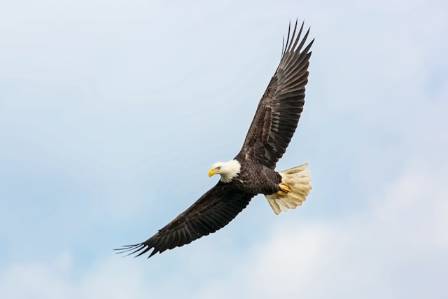
As a Guinness World Record holder and a symbol of national pride, the Bald Eagle is arguably the most famous bird in North America. These formidable predators are commonly found near large bodies of water, where they construct massive nests and dominate their ecosystems. While their image is synonymous with American identity, these raptors possess several unique and surprising characteristics that go beyond their patriotic reputation.

Unraveling the Charm: The Endearing Allure of Dogs and Cats
If your heart skips a beat at the sight of an exuberant puppy wagging its tail or a drowsy kitten stretching in a yawn, you're not alone. Humans have shared an enduring fascination with the irresistible cuteness of their furry companions for centuries. But what lies beneath this universal adoration? Why do we perceive cats as cute, and what is it about dogs that tugs at our heartstrings? Let's delve into the enchanting world of pet cuteness to unravel the mysteries behind our affection for these charming creatures.

Discover the Diversity: 6 Varieties of Daisies to Illuminate Your Garden
Daisies, an integral part of the vast Asteraceae family, comprise an astounding 10 percent of the world's flowering plants. While the Common Daisy and Gerbera Daisy often steal the spotlight, it's fascinating to note that there are over 20,000 distinct "daisy" species within this extensive plant family. The Asteraceae family boasts not only daisies but also includes members like sunflowers, chrysanthemums, and even lettuce.
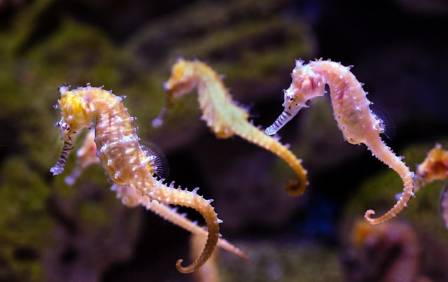
Intriguing Seahorse Insights for Children
Despite their unusual appearance, these creatures are classified as fish.
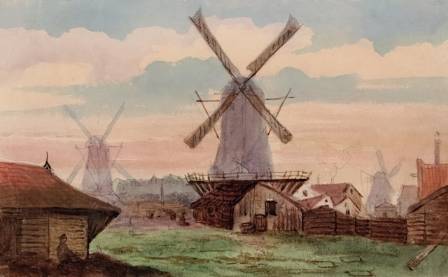
Simple Windmill Drawing: A Beginner's Guide to Illustrating Classic Structures
For hundreds of years, the distinctive silhouette of the windmill has captivated the imagination of artists. These iconic buildings are still a common sight in countries like Denmark, where they serve as a testament to both historical charm and engineering ingenuity. This lesson focuses on simplifying the complex appearance of a windmill into manageable shapes, allowing students to recreate the massive fan structure using basic geometric lines.

The 5 Best Lightweight Vacuums - Summer 2024
Thanks to advancements in design and materials, vacuum cleaners have become increasingly lightweight.