प्रकाशित
Mediterranean Fruit-Based Desserts: Healthy, Flavorful, and Rooted in Tradition
Oldways, a leader in promoting traditional diets, frequently shares insights on the Mediterranean Diet at events worldwide. Several years ago, they partnered with Senior Living Residences—a Boston-area assisted living community—to enhance their “Brain Healthy Cooking program,” centered on the Mediterranean Diet. During the first presentation, a chef posed a key question: residents craved delicious desserts, but the team wanted to keep them healthy. Oldways’ Nutrition Director Kelly Toups offered simple, universal advice: whole fruit is ideal for daily desserts, and for special occasions, add nutrition (nuts, whole grains, healthy fats) to sweet treats or build desserts around seasonal fruit—proving health and flavor can coexist.
Ethan
लेखक
Background: The Inspiration Behind Healthy Mediterranean Sweets
Oldways, a leader in promoting traditional diets, frequently shares insights on the Mediterranean Diet at events worldwide. Several years ago, they partnered with Senior Living Residences—a Boston-area assisted living community—to enhance their “Brain Healthy Cooking program,” centered on the Mediterranean Diet. During the first presentation, a chef posed a key question: residents craved delicious desserts, but the team wanted to keep them healthy. Oldways’ Nutrition Director Kelly Toups offered simple, universal advice: whole fruit is ideal for daily desserts, and for special occasions, add nutrition (nuts, whole grains, healthy fats) to sweet treats or build desserts around seasonal fruit—proving health and flavor can coexist.
Greece: Spoon Sweets – Hospitality in a Small Bowl
When thinking of Greek desserts, baklava often comes to mind, but spoon sweets (Κουταλιάς Γλυκό) are a beloved, lesser-known gem. Learned at an Oldways Symposium on Chios and Lesbos Islands, these treats are made by boiling fruits (like quince), vegetables, nuts, or flowers in sugar syrup, infused with spices or herbs, resulting in a thicker, chunkier texture than jam. A symbol of Greek hospitality, they’re served on small plates with tiny spoons—hence the name. Aglaia Kremezi, a renowned chef, shares a classic quince spoon sweet recipe on her website, perfect for savoring with coffee or yogurt.
Turkey: Aşure and Ayva Tatlısı – Seasonal Comfort
Turkey boasts two iconic fruit-based desserts that balance warmth and tradition. Aşure (pronounced AH-SURE-EH), or Noah’s Pudding, is a creamy porridge of grains, chickpeas, fresh and dried fruit, and nuts—comfort food fit for breakfast or dessert, with recipes varying by family and region, and a prominent role in the Islamic month of Muharram. Ayva Tatlısı (EYE-VA TAT-LEH-SEH), or quince dessert, shines from September to January: peeled quince halves are baked for 90 minutes in pomegranate juice, sugar, and cinnamon, then topped with clotted cream, crushed pistachios, or walnuts, blending tangy and sweet flavors.
Spain: Creative Fruit Presentations – Ice Bowls and Parchment Bakes
In Spain, seasonal whole fruit is a staple dessert, but creativity elevates it further. On Pantelleria, a Mediterranean island between Sicily and Tunisia, Spanish chef Mar Luchetti crafts stunning ice bowls: line a glass bowl with fruit slices, leaves, or flowers, place a weighted smaller bowl inside, pour water between them, freeze overnight, and thaw briefly to separate—fill with fresh fruit for a showstopping centerpiece. Back in Madrid, Mar’s Fruit in Parchment is a simple delight: mangoes, peaches, melon, pomegranate seeds, cinnamon, vanilla, and a splash of wine baked in parchment to lock in juiciness, merging health and elegance.
Italy: Sicilian Delights – Orange Olive Oil Cake and Granita
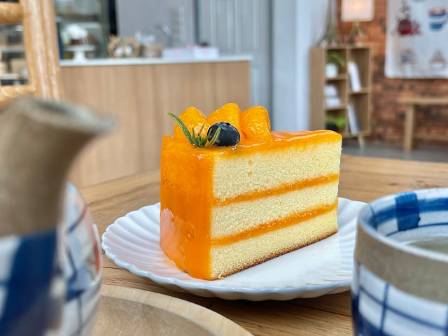
Italians embrace fruit desserts beyond plain fruit, with Sicily leading the way. The Sicilian Orange Olive Oil Cake checks all healthy boxes: whole-grain flour, extra-virgin olive oil, fresh orange, and nuts—approved by Italian chef Fausto Luchetti and aligned with Kelly’s nutrition guidelines. For summer, watermelon granita is unbeatable: a semi-frozen treat of watermelon, lemon, and sugar, with bright, natural flavor, originating from Sicily. Adapted from Mark Bittman’s How to Cook Everything, these recipes prove simplicity and nutrition go hand in hand.
France: Provence’s Rustic Sweetness – Clafoutis and Galette
Provence, France’s Mediterranean region, offers charming fruit desserts. Fresh Fruit Clafoutis and Fresh Fruit Galette (taught by Catherine Katz during an Oldways Sicily trip and later in a webinar) are fan favorites. The clafoutis features seasonal berries or stone fruits baked in a light custard, dusted with powdered sugar. The vegan galette, a rustic tart, has a buttery crust filled with sliced fruit, edged with almonds, and drizzled with honey—paired with crème fraîche for a balanced finish.
Lebanon: Street Food Joy – Fruit Cocktail with Ashta
Lebanon’s Fruit Cocktail with Ashta is a beloved street food: 4-6 kinds of fresh fruit (bananas, mangoes, kiwis, strawberries) are layered in a tall glass with strawberry juice, topped with ashta—a clotted cream made from heated milk, cream, lemon juice, and rose water (ricotta is a substitute, though rare in Beirut). A drizzle of honey and chopped walnuts add the final touch, blending creamy, juicy, and crunchy textures.
Israel: Modern Twist – Tahini-Date Syrup Fruit Dip
Journalist and dietitian Rosie Schwartz shared her favorite Israeli fruit dessert, inspired by Chef Moshe Basson of Jerusalem’s Eucalyptus restaurant. Dubbed “Israel’s peanut butter and jelly,” it features a plate of tahini with a spiderweb of date syrup (silan), surrounded by seasonal fruit slices—persimmons (called Sharon fruit locally), apples, pears—and pomegranate arils. Plain cake or biscuits are sometimes added for dipping, highlighting natural sweetness and healthy fats.
Morocco: Fruit and Nut Traditions – Simple Yet Aromatic
According to Moroccan food expert Paula Wolfert’s book Couscous and Other Good Food from Morocco, traditional Moroccan dinners end with platters of fresh fruit (plums, apricots, figs, melon) and nuts—replaced by dried fruits and nuts in winter. Aromatic alternatives include Orange Salad with Rosewater and pomegranate seeds mixed with almonds, sugar, and orange flower water, often paired with mint tea. Saveur magazine offers a similar pomegranate-nut recipe adapted from the out-of-print Seductive Flavours of the Levant.
Egypt: Street-Style Indulgences – Fakhfakhina and Baked Sweet Potato
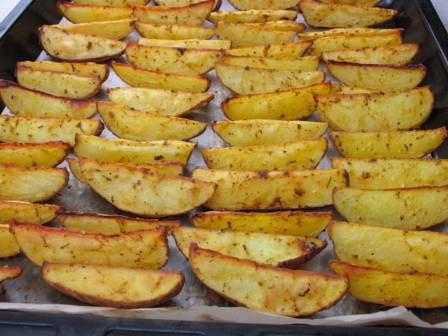
Egypt’s fruit-based desserts draw crowds as street food. Fakhfakhina layers seasonal fruit, dried fruit, and fruit juice, topped with ice cream, nuts, dates, or honey—similar to Lebanon’s fruit cocktail but with a playful twist. Kar Assalay is a crustless pumpkin pie, while the most intriguing option is Baked Sweet Potato: inexpensive, slow-cooked in wood-fired cart ovens, and served simply with cinnamon or cream, celebrating Egypt’s abundant produce.
Conclusion: Embrace Mediterranean Fruit Sweetness
Mediterranean fruit-based desserts are a celebration of seasonality, tradition, and balance—proving desserts can be both delicious and nourishing. From Greece’s hospitality-driven spoon sweets to Egypt’s humble baked sweet potato, each treat tells a story of culture and nature. Whether for family gatherings, dinner parties, or daily indulgences, these recipes invite you to savor the sun-kissed flavors of the Mediterranean—one fresh, fruity bite at a time.
आपके लिए और खबरें

Ten Essential Facts About the Bald Eagle
As a Guinness World Record holder and a symbol of national pride, the Bald Eagle is arguably the most famous bird in North America. These formidable predators are commonly found near large bodies of water, where they construct massive nests and dominate their ecosystems. While their image is synonymous with American identity, these raptors possess several unique and surprising characteristics that go beyond their patriotic reputation.

Unraveling the Charm: The Endearing Allure of Dogs and Cats
If your heart skips a beat at the sight of an exuberant puppy wagging its tail or a drowsy kitten stretching in a yawn, you're not alone. Humans have shared an enduring fascination with the irresistible cuteness of their furry companions for centuries. But what lies beneath this universal adoration? Why do we perceive cats as cute, and what is it about dogs that tugs at our heartstrings? Let's delve into the enchanting world of pet cuteness to unravel the mysteries behind our affection for these charming creatures.

Discover the Diversity: 6 Varieties of Daisies to Illuminate Your Garden
Daisies, an integral part of the vast Asteraceae family, comprise an astounding 10 percent of the world's flowering plants. While the Common Daisy and Gerbera Daisy often steal the spotlight, it's fascinating to note that there are over 20,000 distinct "daisy" species within this extensive plant family. The Asteraceae family boasts not only daisies but also includes members like sunflowers, chrysanthemums, and even lettuce.

Intriguing Seahorse Insights for Children
Despite their unusual appearance, these creatures are classified as fish.

Simple Windmill Drawing: A Beginner's Guide to Illustrating Classic Structures
For hundreds of years, the distinctive silhouette of the windmill has captivated the imagination of artists. These iconic buildings are still a common sight in countries like Denmark, where they serve as a testament to both historical charm and engineering ingenuity. This lesson focuses on simplifying the complex appearance of a windmill into manageable shapes, allowing students to recreate the massive fan structure using basic geometric lines.

The 5 Best Lightweight Vacuums - Summer 2024
Thanks to advancements in design and materials, vacuum cleaners have become increasingly lightweight.