प्रकाशित
15 Low-Maintenance Indoor Plants Perfect for Beginners
Adding indoor plants is a simple way to breathe life into your home. They not only beautify your surroundings but also improve air quality and create a soothing atmosphere. Even if you’ve never cared for a plant before, certain varieties are incredibly forgiving and ideal for first-time plant owners.
Eliza Hart
लेखक

Adding indoor plants is a simple way to breathe life into your home. They not only beautify your surroundings but also improve air quality and create a soothing atmosphere. Even if you’ve never cared for a plant before, certain varieties are incredibly forgiving and ideal for first-time plant owners.
All plants rely on sunlight, moisture, and nutrients to thrive, but some are much more adaptable than others. If you’re just starting out, here are 15 beginner-friendly plants that are easy to grow and care for indoors.
Monstera (Monstera spp.)
Light: Low to medium | Temperature: 60–85°F
Recognizable by its large, fenestrated leaves, monstera is a popular tropical plant that climbs or trails when supported. It prefers regular watering and a humid environment. Its dramatic foliage makes it a stunning focal point in any room.
Spider Plant (Chlorophytum comosum)
Light: Medium to bright | Temperature: 60–85°F
With its arching green or striped leaves, the spider plant is admired for its cascading shape and baby plantlets that sprout from long stems. It thrives in bright, indirect light and adapts well to indoor humidity.
Pothos (Epipremnum spp.)
Light: Tolerates low to bright indirect | Temperature: 60–85°F
This vine-like plant is admired for its heart-shaped leaves in green, gold, or marbled shades. Pothos grows quickly and can be easily propagated. It tolerates a wide range of light and moisture levels, though it should be kept out of direct sun.
Philodendron (Philodendron spp.)
Light: Low to bright indirect | Temperature: 60–85°F
Philodendrons come in various shapes and sizes, offering a lot of visual interest. Whether trailing or upright, these plants are resilient and thrive with occasional watering, moderate light, and humidity.
Rubber Plant (Ficus elastica)
Light: Medium to bright | Temperature: 60–85°F
Known for its thick, glossy leaves, the rubber plant can make a bold statement in your home. Keep the soil slightly moist and avoid exposure to drafts or sudden changes in temperature for best results.
Chinese Evergreen (Aglaonema spp.)
Light: Medium to bright indirect | Temperature: 65–80°F
This slow-growing plant features colorful foliage and thrives in warm, humid rooms. It’s great for tight spaces and requires little maintenance beyond occasional watering and a bright, filtered light source.
Prayer Plant (Calathea spp.)

Light: Low to medium | Temperature: 60–85°F
Named for its habit of folding leaves at night, the prayer plant displays intricate patterns and bold colors. It prefers moist soil, high humidity, and filtered light, making it a great choice for kitchens or bathrooms.
Crassula (Crassula spp.)
Light: Medium to high | Temperature: 60–85°F
This group of succulents, including the well-known jade plant, is extremely low-maintenance. They do best in bright light and need infrequent watering, making them perfect for sunny windowsills.
Begonia (Begonia spp.)
Light: Bright indirect | Temperature: 60–85°F
With textured leaves and varied colors, begonias are both beautiful and easy to manage. They prefer steady conditions and reward caregivers with lush foliage when kept in a stable environment.
Nerve Plant (Fittonia albivenis)
Light: Low to bright indirect | Temperature: 60–85°F
Recognizable by its vivid vein patterns, the nerve plant does well in moist environments with indirect light. It’s a compact grower, often suited for terrariums or high-humidity spots.
Peperomia (Peperomia spp.)
Light: Medium to bright indirect | Temperature: 60–85°F
Peperomia comes in many forms, from upright to trailing types. It’s a hardy plant that enjoys warm temperatures and well-drained soil. Let the topsoil dry before watering again to prevent root issues.
Drop Tongue Plant (Schismatoglottis wallichii)
Light: Low to medium | Temperature: 60–85°F
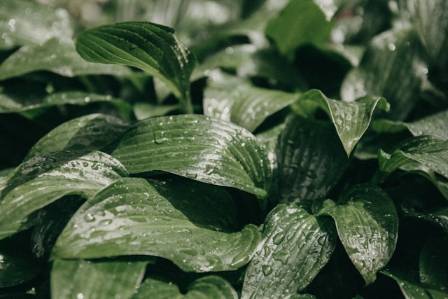
This lesser-known plant sports elongated, patterned leaves and thrives in humid environments. While it prefers consistent moisture, it can serve as a gentle reminder for beginners by visibly wilting when water is needed.
Arrowhead Vine (Syngonium podophyllum)
Light: Low to medium | Temperature: 60–85°F
Arrowhead vine features distinct leaf shapes and colorful variations. It begins upright but develops a vining habit over time. Keep soil slightly moist and provide occasional trimming to maintain shape.
Purple Tradescantia (Tradescantia spp.)
Light: Medium to high | Temperature: 60–85°F
With eye-catching hues ranging from green to purple, this trailing plant is forgiving and adaptable. It’s ideal for hanging baskets or shelf edges and doesn’t require strict care routines.
Dracaena (Dracaena spp.)
Light: Bright indirect | Temperature: 65–80°F
Dracaena is a popular houseplant for its upright growth and sword-like leaves. It tolerates varied conditions and infrequent watering, making it ideal for beginners or forgetful plant parents.
By choosing plants that are easy to manage and suited for indoor living, anyone can create a vibrant, green oasis at home. Whether you prefer lush vines, compact foliage, or colorful leaves, there’s something on this list for every budding indoor gardener.
आपके लिए और खबरें

Ten Essential Facts About the Bald Eagle
As a Guinness World Record holder and a symbol of national pride, the Bald Eagle is arguably the most famous bird in North America. These formidable predators are commonly found near large bodies of water, where they construct massive nests and dominate their ecosystems. While their image is synonymous with American identity, these raptors possess several unique and surprising characteristics that go beyond their patriotic reputation.

Unraveling the Charm: The Endearing Allure of Dogs and Cats
If your heart skips a beat at the sight of an exuberant puppy wagging its tail or a drowsy kitten stretching in a yawn, you're not alone. Humans have shared an enduring fascination with the irresistible cuteness of their furry companions for centuries. But what lies beneath this universal adoration? Why do we perceive cats as cute, and what is it about dogs that tugs at our heartstrings? Let's delve into the enchanting world of pet cuteness to unravel the mysteries behind our affection for these charming creatures.
Discover the Diversity: 6 Varieties of Daisies to Illuminate Your Garden
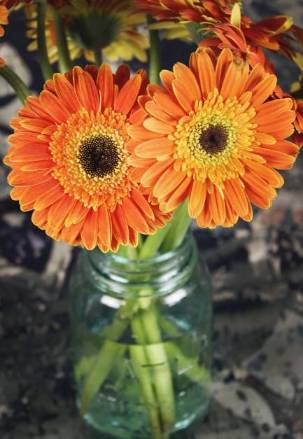
Daisies, an integral part of the vast Asteraceae family, comprise an astounding 10 percent of the world's flowering plants. While the Common Daisy and Gerbera Daisy often steal the spotlight, it's fascinating to note that there are over 20,000 distinct "daisy" species within this extensive plant family. The Asteraceae family boasts not only daisies but also includes members like sunflowers, chrysanthemums, and even lettuce.
Intriguing Seahorse Insights for Children
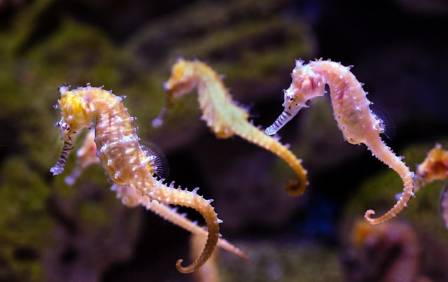
Despite their unusual appearance, these creatures are classified as fish.

Simple Windmill Drawing: A Beginner's Guide to Illustrating Classic Structures
For hundreds of years, the distinctive silhouette of the windmill has captivated the imagination of artists. These iconic buildings are still a common sight in countries like Denmark, where they serve as a testament to both historical charm and engineering ingenuity. This lesson focuses on simplifying the complex appearance of a windmill into manageable shapes, allowing students to recreate the massive fan structure using basic geometric lines.

The 5 Best Lightweight Vacuums - Summer 2024
Thanks to advancements in design and materials, vacuum cleaners have become increasingly lightweight.