प्रकाशित
Vietnamese Traditional Cakes: 10 Must-Try Regional Delicacies
Vietnam’s culinary heritage is vividly reflected in its traditional cakes, where each region’s geography, climate, and cultural rituals shape unique flavors, textures, and meanings. From the savory, symbolic treats of the North to the delicate, aromatic sweets of the Central highlands and the indulgent, tropical-infused desserts of the South, these cakes are more than just food—they are carriers of tradition, shared during festivals, family gatherings, and important life events. Below is a curated guide to 10 iconic Vietnamese cakes, organized by region, to help you explore the country’s rich culinary tapestry.
Amelia
लेखक
Vietnam’s culinary heritage is vividly reflected in its traditional cakes, where each region’s geography, climate, and cultural rituals shape unique flavors, textures, and meanings. From the savory, symbolic treats of the North to the delicate, aromatic sweets of the Central highlands and the indulgent, tropical-infused desserts of the South, these cakes are more than just food—they are carriers of tradition, shared during festivals, family gatherings, and important life events. Below is a curated guide to 10 iconic Vietnamese cakes, organized by region, to help you explore the country’s rich culinary tapestry.
Northern Vietnam: Hearty and Symbolic Treats
1.Bánh Chưng (Chung Cake)
As Vietnam’s most iconic traditional cake, Bánh Chưng holds profound cultural significance, particularly during Tết (Vietnamese Lunar New Year). Crafted with glutinous rice, minced pork, and mung beans, the filling is wrapped in layers of dong leaves, which impart an earthy aroma and vibrant green hue while symbolizing the earth—an homage to ancient Vietnamese beliefs in cosmic harmony. The cake’s square shape further reinforces themes of unity and balance, making it a centerpiece of family gatherings and ancestor worship rituals. Popular across the country but most beloved in Hanoi and northern provinces, Bánh Chưng is steamed for hours to achieve a soft, sticky texture that pairs perfectly with pickled onions or a dip of soy sauce. You’ll find top-quality versions on Hàng Than Street in Hanoi, priced between 50,000–100,000 VND per piece, depending on size and filling.
2.Bánh Gai (Gai Cake)
Hailing from Hải Dương and Nam Định provinces, Bánh Gai stands out for its striking black color and subtle herbal sweetness. Made with glutinous rice flour blended with ramie leaves (lá gai), the dough gets its dark hue and aromatic flavor from the leaves, while the filling—typically sweet mung bean paste, shredded coconut, or ground peanuts—adds a rich, nutty contrast. Wrapped in dried banana leaves for a rustic presentation, Bánh Gai is a popular offering during village festivals, weddings, and the death anniversaries of tutelary deities, symbolizing thoughtfulness and respect. Priced affordably at 5,000–20,000 VND per piece, notable spots to try it include Bánh Gai Bà Thi in Hải Dương, where the chewy texture and balanced sweetness make it a beloved snack or dessert.
3.Bánh Cốm (Green Rice Cake)
A beloved sweet from Hanoi and northern Vietnam, Bánh Cốm is crafted from young green rice (cốm) that is toasted to bring out a unique nutty flavor, then wrapped around a sweet filling of mung beans or coconut. Wrapped in banana leaves to lock in fragrance, the cake boasts a soft, chewy texture that melts in the mouth, with the natural sweetness of the rice complementing the creamy filling. Traditionally served during the Mid-Autumn Festival or as a gift to express prosperity and respect, Bánh Cốm is a staple in Hanoi’s Old Quarter—look for renowned shops like Com Cake of Vong Village (Bánh Cốm Làng Vòng Hà Nội Bà Hoản) or Nguyen Ninh Green Rice Cake on Hàng Than Street. Priced at just 4,000–8,000 VND per piece, it’s an accessible and delightful way to experience Northern Vietnamese sweetness.
Central Vietnam: Delicate and Refined Flavors
4.Bánh Bèo (Water Fern Cake)
A signature dish of Huế, the ancient imperial capital, Bánh Bèo is a delicate steamed rice cake named for its round, thin shape that resembles a water fern leaf. The soft, slightly chewy rice base is topped with minced shrimp, crispy pork skin, scallion oil, and a drizzle of fish sauce, creating a harmonious blend of savory, umami, and crispy textures. Served on small plates (typically 15 per set), Bánh Bèo is a communal snack or appetizer, perfect for sharing during casual meals or gatherings. Popular spots in Huế include Bánh Bèo Quán and Bánh Bèo Sương, where a set costs 20,000–60,000 VND. Its light yet flavorful profile embodies the refined culinary style of Central Vietnam, making it a must-try for food lovers.
5.Bánh Ít Lá Gai (Ramie Leaf Rice Cake)
Famous in Bình Định Province, Bánh Ít Lá Gai is a visually striking cake with a greenish-black hue, derived from glutinous rice flour mixed with ramie leaves (lá gai). The leaves infuse the cake with a mild herbal flavor, while the sweet filling—usually mung bean paste or grated coconut—adds a creamy sweetness. Wrapped in banana leaves for a rustic touch, this cake is often gifted during weddings, village festivals, and ancestor memorials, symbolizing care and unity. Priced at 5,000–10,000 VND per piece, it’s readily available at local markets in Quy Nhơn City, where its chewy texture and balanced sweetness make it a cherished dessert among locals and visitors alike.
6.Bánh Nậm (Flat Steamed Rice Dumplings)
Another Huế specialty, Bánh Nậm showcases the imperial city’s culinary elegance with its thin, silky rice flour wrapper and savory filling of minced shrimp, pork, and spices. Wrapped in banana leaves and steamed to perfection, the leaves impart a subtle fragrance that enhances the dish’s flavor. Bánh Nậm is commonly enjoyed as a snack or appetizer, paired with fish sauce for dipping, and has a vegetarian variation used in New Year’s Eve offerings, full moon ceremonies, and lunar month celebrations. A well-known spot to try it is Bánh Nậm Bà Đỏ in Huế, where each piece costs 10,000–20,000 VND. Its melt-in-your-mouth texture and rich, aromatic filling make it a standout in Central Vietnam’s culinary scene.
Southern Vietnam: Tropical and Indulgent Sweets
7.Bánh Tét (Cylindrical Glutinous Rice Cake)
A southern counterpart to Bánh Chưng, Bánh Tét is a cylindrical glutinous rice cake filled with mung beans and pork, wrapped tightly in banana leaves and boiled for hours. Popular in the Mekong Delta and Ho Chi Minh City, it is a centerpiece of Tết celebrations, symbolizing family unity and prosperity. Unlike the savory Northern version, Southern Bánh Tét often includes sweet variations with banana or black bean fillings, catering to those with a sweet tooth. Priced at 50,000–100,000 VND per roll (depending on size), it’s widely available at traditional markets in Cần Thơ and Vĩnh Long. The soft, sticky rice and flavorful filling make it a satisfying treat, whether enjoyed as a main dish or snack during festive occasions.
8.Bánh Chuối Hấp (Steamed Banana Cake)
A beloved snack across Vietnam, particularly in the South, Bánh Chuối Hấp is a simple yet delicious steamed cake made with ripe bananas, glutinous rice flour, sugar, and coconut milk. The ripe bananas lend natural sweetness and a moist, pudding-like texture, while the coconut milk adds richness and aroma. Often served as a dessert or afternoon snack, it’s a comforting treat enjoyed during family gatherings, casual meals, or festivals. In Ho Chi Minh City, look for street vendors or shops like Solar Food or Chuối Nếp Nướng Võ Văn Tần, where a portion costs 10,000–20,000 VND. Its simplicity and reliance on fresh, tropical ingredients embody the South’s laid-back culinary style.
9.Bánh Da Lợn (Pig Skin Cake)
Named for its layered, pig skin-like appearance (though it contains no pork), Bánh Da Lợn is a colorful and aromatic steamed cake popular in Ho Chi Minh City. Made with rice flour, tapioca flour, mung beans, and flavored with pandan leaves or coconut milk, it features alternating green and yellow layers that create a visually striking presentation. The cake has a soft, chewy texture and a subtle, sweet coconut flavor, making it a favorite dessert during festivals like the Ullambana Festival, Mid-Autumn Festival, and Lantern Festival. Priced at 10,000–30,000 VND per portion, it’s available at local cake shops like Bánh Da Lợn Út Vân and Quán A Muỗi. Its vibrant colors and delightful taste make it a perfect shareable snack for family and friends.
10.Bánh Cam/Bánh Rán (Fried Glutinous Rice Balls)
A beloved dessert across Vietnam, Bánh Cam (also called Bánh Rán) is a crispy fried glutinous rice ball filled with sweet mung bean paste and sugar. The dough is shaped into small balls, deep-fried until golden brown, and often sprinkled with sesame seeds for extra crunch. The contrast between the crispy exterior and soft, sweet interior makes it a delightful bite, enjoyed as a snack or dessert during festivals like the Ky Yen Festival, family gatherings, or casual outings. In Ho Chi Minh City, street vendors and shops like Bánh Cam Ngon and Chị Thương offer it at 10,000–15,000 VND per piece (often sold in sets of three). Its accessibility, affordability, and irresistible texture have made it a nationwide favorite.
Conclusion
Vietnam’s traditional cakes are a window into the country’s culture, history, and regional diversity—each bite tells a story of tradition, community, and respect for ingredients. From the symbolic Bánh Chưng of the North to the tropical Bánh Chuối Hấp of the South, these treats offer a range of flavors and textures that cater to every palate. Whether enjoyed during a festive celebration, a casual meal, or as a gift to loved ones, they are an integral part of Vietnamese life. The next time you visit Vietnam, be sure to seek out these iconic cakes—they are not just food, but a way to connect with the heart and soul of this vibrant country.
आपके लिए और खबरें

Ten Essential Facts About the Bald Eagle
As a Guinness World Record holder and a symbol of national pride, the Bald Eagle is arguably the most famous bird in North America. These formidable predators are commonly found near large bodies of water, where they construct massive nests and dominate their ecosystems. While their image is synonymous with American identity, these raptors possess several unique and surprising characteristics that go beyond their patriotic reputation.

Unraveling the Charm: The Endearing Allure of Dogs and Cats
If your heart skips a beat at the sight of an exuberant puppy wagging its tail or a drowsy kitten stretching in a yawn, you're not alone. Humans have shared an enduring fascination with the irresistible cuteness of their furry companions for centuries. But what lies beneath this universal adoration? Why do we perceive cats as cute, and what is it about dogs that tugs at our heartstrings? Let's delve into the enchanting world of pet cuteness to unravel the mysteries behind our affection for these charming creatures.
Discover the Diversity: 6 Varieties of Daisies to Illuminate Your Garden
Daisies, an integral part of the vast Asteraceae family, comprise an astounding 10 percent of the world's flowering plants. While the Common Daisy and Gerbera Daisy often steal the spotlight, it's fascinating to note that there are over 20,000 distinct "daisy" species within this extensive plant family. The Asteraceae family boasts not only daisies but also includes members like sunflowers, chrysanthemums, and even lettuce.
Intriguing Seahorse Insights for Children
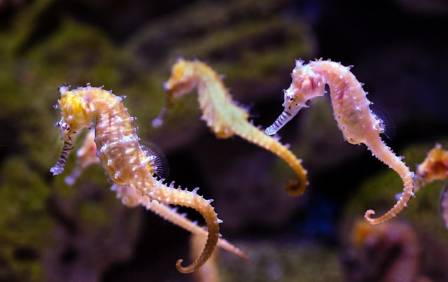
Despite their unusual appearance, these creatures are classified as fish.
Simple Windmill Drawing: A Beginner's Guide to Illustrating Classic Structures
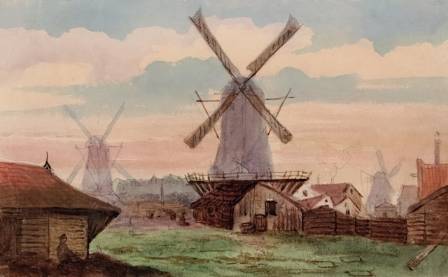
For hundreds of years, the distinctive silhouette of the windmill has captivated the imagination of artists. These iconic buildings are still a common sight in countries like Denmark, where they serve as a testament to both historical charm and engineering ingenuity. This lesson focuses on simplifying the complex appearance of a windmill into manageable shapes, allowing students to recreate the massive fan structure using basic geometric lines.

The 5 Best Lightweight Vacuums - Summer 2024
Thanks to advancements in design and materials, vacuum cleaners have become increasingly lightweight.