प्रकाशित
Great Egret: Elegant Hunter of the Wetlands
Standing at over four feet tall with an impressive wingspan exceeding 50 inches, the Great Egret (Casmerodius albus), also known as the Great White Egret, is one of the largest wading birds in North America. Though it resembles the smaller Snowy Egret, it can be easily distinguished by its sleek black legs, black feet, thick yellow bill, and much larger frame. It’s sometimes confused with the white form of the Great Blue Heron, known as the Great White Heron, which has paler legs and a bulkier bill
Oliver Kingston
लेखक
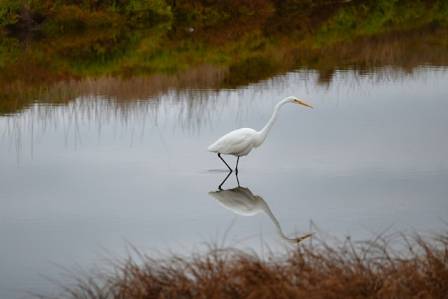
A Towering Presence Among the Reeds
Standing at over four feet tall with an impressive wingspan exceeding 50 inches, the Great Egret (Casmerodius albus), also known as the Great White Egret, is one of the largest wading birds in North America. Though it resembles the smaller Snowy Egret, it can be easily distinguished by its sleek black legs, black feet, thick yellow bill, and much larger frame. It’s sometimes confused with the white form of the Great Blue Heron, known as the Great White Heron, which has paler legs and a bulkier bill.
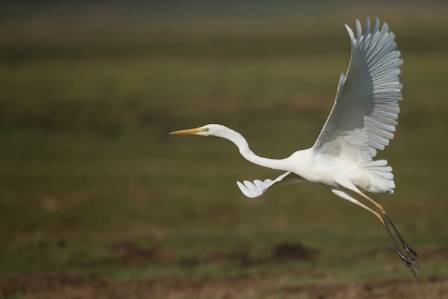
Grace in Flight
When airborne, the Great Egret holds its neck in a graceful S-shape, distinguishing it from birds like cranes and storks that fly with necks outstretched. This curved-neck flight posture is a trademark of herons and adds to their elegant silhouette in the sky.
A Master of Patience and Precision
Great Egrets are exceptional fishers. Whether stalking slowly or standing perfectly still, they hunt in shallow water, using their keen reflexes to spear prey with astonishing speed. With the help of their feet, they disturb the bottom to flush out hidden prey. Their menu includes not only fish, but also amphibians, reptiles, small mammals, invertebrates, and even the occasional bird. They thrive in various wetlands—marshes, swamps, rivers, lakes, and flooded fields.
Solitary Lives, Social Seasons
Although they prefer solitude, these birds gather during breeding season and often share nesting grounds with other waterbirds. They nest in shrubs and trees above water, and during courtship both males and females grow elegant feathery plumes. These ornamental feathers once made the Great Egret a target for fashion-driven hunting in the 19th century.
A Symbol of Protection
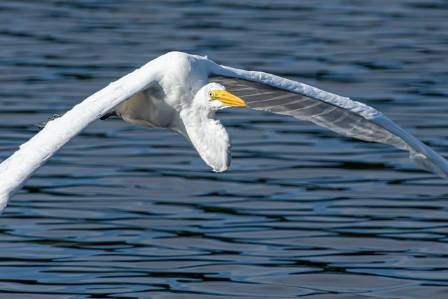
At the height of the plume trade, thousands of Great Egrets were slaughtered to satisfy demand for decorative feathers. More than 300 individuals were needed to collect just one kilogram of plumage. Public outcry led to conservation efforts, and the Great Egret was eventually adopted as the emblem of a major bird protection movement, marking a turning point in wildlife conservation history.
Still Under Threat
While the population has recovered in many areas due to conservation laws, habitat degradation continues to challenge their survival—especially in the Everglades. Studies reveal that breeding wading birds in this region have declined by nearly 90%. The culprits include urban sprawl, altered water systems, agricultural pollution, heavy metal contamination, and wetland destruction. Many of these changes occur outside protected areas but still affect wildlife deeply within them.
A Delicate Balance
The Great Egret remains a symbol of beauty and resilience. As it glides silently over still waters, it reminds us of the fragile ecosystems it inhabits—and the ongoing responsibility to protect them.
आपके लिए और खबरें
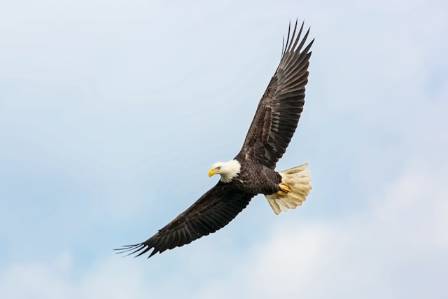
Ten Essential Facts About the Bald Eagle
As a Guinness World Record holder and a symbol of national pride, the Bald Eagle is arguably the most famous bird in North America. These formidable predators are commonly found near large bodies of water, where they construct massive nests and dominate their ecosystems. While their image is synonymous with American identity, these raptors possess several unique and surprising characteristics that go beyond their patriotic reputation.

Unraveling the Charm: The Endearing Allure of Dogs and Cats
If your heart skips a beat at the sight of an exuberant puppy wagging its tail or a drowsy kitten stretching in a yawn, you're not alone. Humans have shared an enduring fascination with the irresistible cuteness of their furry companions for centuries. But what lies beneath this universal adoration? Why do we perceive cats as cute, and what is it about dogs that tugs at our heartstrings? Let's delve into the enchanting world of pet cuteness to unravel the mysteries behind our affection for these charming creatures.

Discover the Diversity: 6 Varieties of Daisies to Illuminate Your Garden
Daisies, an integral part of the vast Asteraceae family, comprise an astounding 10 percent of the world's flowering plants. While the Common Daisy and Gerbera Daisy often steal the spotlight, it's fascinating to note that there are over 20,000 distinct "daisy" species within this extensive plant family. The Asteraceae family boasts not only daisies but also includes members like sunflowers, chrysanthemums, and even lettuce.
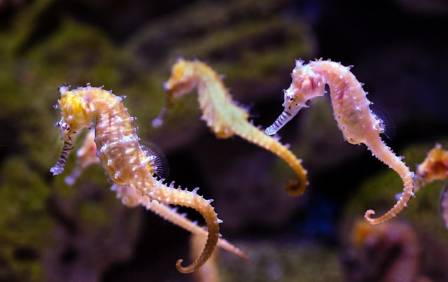
Intriguing Seahorse Insights for Children
Despite their unusual appearance, these creatures are classified as fish.

Simple Windmill Drawing: A Beginner's Guide to Illustrating Classic Structures
For hundreds of years, the distinctive silhouette of the windmill has captivated the imagination of artists. These iconic buildings are still a common sight in countries like Denmark, where they serve as a testament to both historical charm and engineering ingenuity. This lesson focuses on simplifying the complex appearance of a windmill into manageable shapes, allowing students to recreate the massive fan structure using basic geometric lines.

The 5 Best Lightweight Vacuums - Summer 2024
Thanks to advancements in design and materials, vacuum cleaners have become increasingly lightweight.