प्रकाशित
5 Key Types of Urban Roads You Should Know
Urban transportation networks are carefully designed to handle different kinds of traffic, from high-speed commuters to quiet neighborhood walkers. Roads within a city are not all the same—they are grouped into specific categories based on their purpose, speed, and accessibility. Let’s take a closer look at the five main classes of city roads and what makes each of them unique.
Charles
लेखक
Urban transportation networks are carefully designed to handle different kinds of traffic, from high-speed commuters to quiet neighborhood walkers. Roads within a city are not all the same—they are grouped into specific categories based on their purpose, speed, and accessibility. Let’s take a closer look at the five main classes of city roads and what makes each of them unique.
Expressways
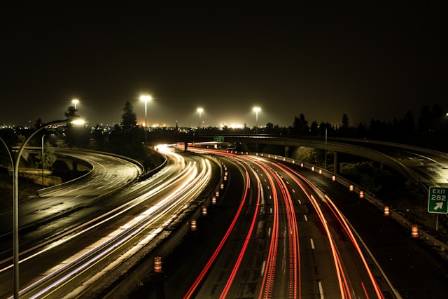
Expressways are high-speed routes created exclusively for motor vehicles. These corridors feature either partial or full access control, with interchanges built at different levels to avoid direct cross traffic. They typically link major hubs such as business districts, industrial centers, or commercial areas. Because their main role is to ensure rapid movement, pedestrians are not allowed to cross, and activities like loading or unloading goods are strictly prohibited. Drivers can expect fast, uninterrupted travel on these roads.
Arterial Streets
Arterial streets serve as the backbone of urban traffic, channeling vehicles through the city along continuous routes. In busy metropolitan areas, they are often spaced less than 1.5 km apart, while in less developed districts the distance may be around 8 km. Like expressways, they may also include divided lanes and controlled access points. Parking, as well as loading and unloading, is closely managed. Pedestrian crossings are permitted only at designated intersections to keep traffic flow steady.

Sub-Arterial Streets
Sub-arterial streets provide an intermediate level of mobility, just below arterial routes. They are generally spaced more closely, ranging from about 0.5 km in central business districts to between 3 and 5 km in suburban zones. These streets still emphasize movement but at a slightly reduced capacity compared to arterial roads. Goods delivery is usually limited, and pedestrian movement across these streets is confined to intersections for safety.
Collector Streets
Collector streets act as feeders, channeling vehicles from smaller local roads onto larger arterial or sub-arterial routes. They are common in residential, commercial, and industrial areas, offering direct access to adjacent properties. Unlike major highways, these roads tolerate more flexibility—parking restrictions usually apply only during rush hours, and entry from nearby buildings is common. Essentially, they bridge the gap between neighborhood streets and higher-capacity traffic corridors.
Local Streets
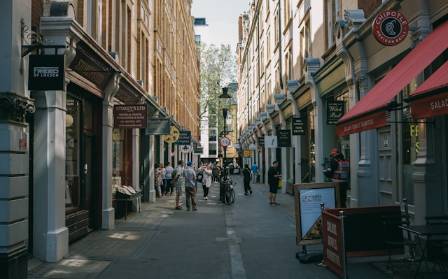
Local streets form the final layer of the network, granting access to homes, shops, offices, and other buildings. The traffic on these streets usually originates from or ends at the properties along them. Depending on the surrounding land use, they may be residential, commercial, or industrial in character. Pedestrians move freely, and parking is generally allowed without significant limitations. These roads prioritize community access and everyday convenience over speed or traffic capacity.
Conclusion
Every urban road plays a different role, from the bustling expressways that rush traffic across the city to the quiet local streets right outside your door. Understanding these five categories—expressways, arterial, sub-arterial, collector, and local—helps explain why city travel feels so structured. Next time you’re driving or walking through town, you’ll know exactly why some streets are built for speed while others invite a leisurely stroll.
आपके लिए और खबरें

Ten Essential Facts About the Bald Eagle
As a Guinness World Record holder and a symbol of national pride, the Bald Eagle is arguably the most famous bird in North America. These formidable predators are commonly found near large bodies of water, where they construct massive nests and dominate their ecosystems. While their image is synonymous with American identity, these raptors possess several unique and surprising characteristics that go beyond their patriotic reputation.

Unraveling the Charm: The Endearing Allure of Dogs and Cats
If your heart skips a beat at the sight of an exuberant puppy wagging its tail or a drowsy kitten stretching in a yawn, you're not alone. Humans have shared an enduring fascination with the irresistible cuteness of their furry companions for centuries. But what lies beneath this universal adoration? Why do we perceive cats as cute, and what is it about dogs that tugs at our heartstrings? Let's delve into the enchanting world of pet cuteness to unravel the mysteries behind our affection for these charming creatures.

Discover the Diversity: 6 Varieties of Daisies to Illuminate Your Garden
Daisies, an integral part of the vast Asteraceae family, comprise an astounding 10 percent of the world's flowering plants. While the Common Daisy and Gerbera Daisy often steal the spotlight, it's fascinating to note that there are over 20,000 distinct "daisy" species within this extensive plant family. The Asteraceae family boasts not only daisies but also includes members like sunflowers, chrysanthemums, and even lettuce.

Intriguing Seahorse Insights for Children
Despite their unusual appearance, these creatures are classified as fish.

Simple Windmill Drawing: A Beginner's Guide to Illustrating Classic Structures
For hundreds of years, the distinctive silhouette of the windmill has captivated the imagination of artists. These iconic buildings are still a common sight in countries like Denmark, where they serve as a testament to both historical charm and engineering ingenuity. This lesson focuses on simplifying the complex appearance of a windmill into manageable shapes, allowing students to recreate the massive fan structure using basic geometric lines.

The 5 Best Lightweight Vacuums - Summer 2024
Thanks to advancements in design and materials, vacuum cleaners have become increasingly lightweight.