प्रकाशित
Simple Ocean Drawing Guide: Creating an Easy Pencil Seascape
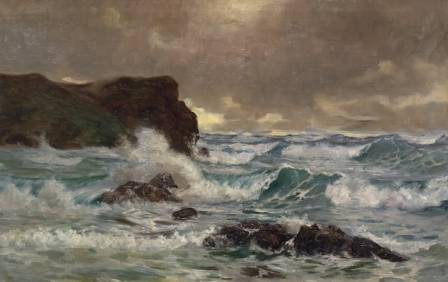
Mastering the depiction of ocean waves is a rewarding and calming experience for any burgeoning artist. By following a structured approach, you can transform a blank page into a realistic maritime scene using basic graphite techniques. This introductory lesson focuses on the fundamental shapes of water and the play of light on the sea's surface, proving that complex seascapes can be simplified into manageable steps.
Oliver Nathaniel Prescott
लेखक
##
Mastering the depiction of ocean waves is a rewarding and calming experience for any burgeoning artist. By following a structured approach, you can transform a blank page into a realistic maritime scene using basic graphite techniques. This introductory lesson focuses on the fundamental shapes of water and the play of light on the sea's surface, proving that complex seascapes can be simplified into manageable steps.
Essential Art Supplies
To begin your seascape, you will need a soft graphite pencil, such as an 8B, which allows for deep shadows and smooth gradients. For paper, a standard 115 gsm drawing surface measuring approximately 6 x 9 inches is ideal, though any available sketchbook page will suffice. You should also have a white vinyl eraser for highlights and a blending stump to soften your transitions. If you do not have a professional blending tool, a cotton swab, a folded tissue, or even your fingertip can serve as an effective substitute.
Establishing the Composition and Horizon
Start by drawing a rectangular frame around the perimeter of your paper to contain the scene. When drawing these long lines, try to move your entire arm rather than just your wrist to achieve a smoother stroke. Next, establish the primary structure by placing the base of your largest wave near the center of the page. Divide the upper portion of the paper into thirds with horizontal lines. The topmost line serves as your horizon, where the sea meets the sky. Use the second line to map out the crest of your main wave, giving it plenty of fluid, organic movement to mimic the energy of the water.
In the lower section of the drawing, add two more slightly angled, wavy lines. These represent the smaller secondary waves as they approach the shoreline and eventually meet the sand. This layering creates a sense of depth and perspective, leading the viewer's eye from the vast horizon down to the beach.
##
Shading and Texturing the Water
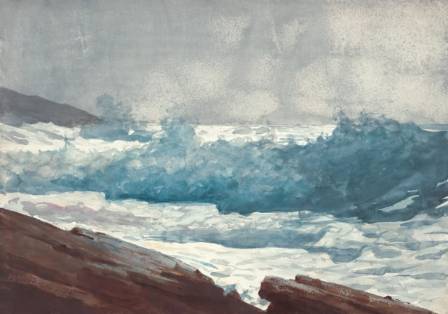
Begin the shading process by filling in the area between the horizon line and the crest of your primary wave. For now, keep the face of the large wave white to represent foam and spray. Moving below the crest, apply irregular strips of graphite in circular or undulating patterns to simulate moving water. It is vital to leave patches of white paper untouched in this area; these serve as specular highlights where sunlight reflects off the ocean.
As you reach the shoreline, use darker, more solid but irregular lines to define where the water meets the land. For the breaking crests, utilize a technique called "scribble hatching" or scumbling. This loose, textured mark-making effectively communicates the chaotic, frothy appearance of whitecaps. Finally, add a light layer of shading to the bottom-most section of the drawing to represent the wet sand of the beach.
Blending and Finishing Touches
To bring a sense of realism to your sketch, use your blending tool to smooth the dark area just below the horizon line. After blending this section, you can pull a small amount of the leftover graphite upward into the sky. Remember that in a natural landscape, the sky appears lightest at the horizon and grows darker as it moves toward the top of the frame. Soften the middle sections of the waves to ensure a fluid transition between the deep shadows and the bright highlights.
The final step involves using your vinyl eraser to "pull out" light. Dab or swipe the eraser over the tops of waves and the reflective areas of the water to brighten them. This contrast between the deep 8B pencil tones and the clean white of the paper is what gives the ocean its shimmering, lifelike quality. Once the edges are cleaned up and the highlights are set, your seascape is complete.
Ways to Use and Practice Your Artwork
A completed pencil seascape makes for a thoughtful, handmade gift or a beautiful addition to a home gallery when framed. For those looking to improve, consider practicing individual waves at various angles or experimenting with different weather conditions, such as a calm morning or a dramatic storm. You can also vary this tutorial by adding elements like a distant sailboat or applying a light wash of watercolor to the finished pencil sketch for a multi-media effect.
आपके लिए और खबरें
Ten Essential Facts About the Bald Eagle
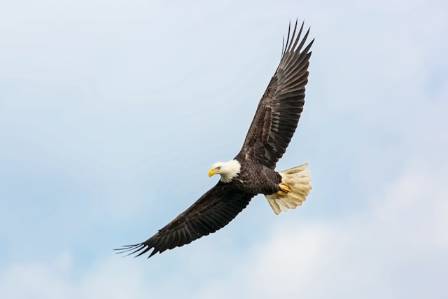
As a Guinness World Record holder and a symbol of national pride, the Bald Eagle is arguably the most famous bird in North America. These formidable predators are commonly found near large bodies of water, where they construct massive nests and dominate their ecosystems. While their image is synonymous with American identity, these raptors possess several unique and surprising characteristics that go beyond their patriotic reputation.

Unraveling the Charm: The Endearing Allure of Dogs and Cats
If your heart skips a beat at the sight of an exuberant puppy wagging its tail or a drowsy kitten stretching in a yawn, you're not alone. Humans have shared an enduring fascination with the irresistible cuteness of their furry companions for centuries. But what lies beneath this universal adoration? Why do we perceive cats as cute, and what is it about dogs that tugs at our heartstrings? Let's delve into the enchanting world of pet cuteness to unravel the mysteries behind our affection for these charming creatures.

Discover the Diversity: 6 Varieties of Daisies to Illuminate Your Garden
Daisies, an integral part of the vast Asteraceae family, comprise an astounding 10 percent of the world's flowering plants. While the Common Daisy and Gerbera Daisy often steal the spotlight, it's fascinating to note that there are over 20,000 distinct "daisy" species within this extensive plant family. The Asteraceae family boasts not only daisies but also includes members like sunflowers, chrysanthemums, and even lettuce.
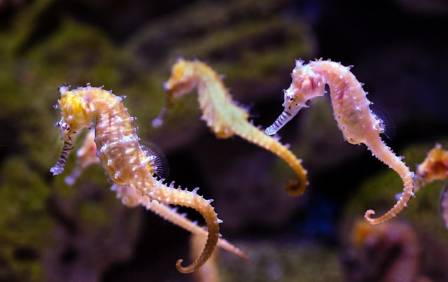
Intriguing Seahorse Insights for Children
Despite their unusual appearance, these creatures are classified as fish.
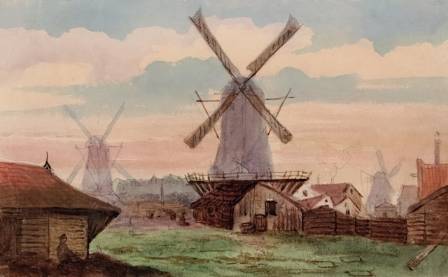
Simple Windmill Drawing: A Beginner's Guide to Illustrating Classic Structures
For hundreds of years, the distinctive silhouette of the windmill has captivated the imagination of artists. These iconic buildings are still a common sight in countries like Denmark, where they serve as a testament to both historical charm and engineering ingenuity. This lesson focuses on simplifying the complex appearance of a windmill into manageable shapes, allowing students to recreate the massive fan structure using basic geometric lines.

The 5 Best Lightweight Vacuums - Summer 2024
Thanks to advancements in design and materials, vacuum cleaners have become increasingly lightweight.